There’s nothing quite like the moment your air conditioner stops working properly in the middle of a heatwave. Whether it’s warm air blowing where cool air should be, strange noises coming from the unit, or a system that simply won’t turn on, air conditioning problems always seem to happen at the worst possible time. Understanding what causes common AC issues, and how regular AC repair and maintenance can prevent many of them, helps homeowners avoid unnecessary discomfort and costly emergency repairs.
In this guide, Island Breeze Mechanical Service INC walks through the most common air conditioning problems, the value of routine maintenance, and what to expect when you call in a professional.
Why AC Maintenance Matters More Than Most Homeowners Realize
It’s easy to think of an air conditioner as something you only need to think about when it breaks. But like any mechanical system, AC units perform best — and last longest — with regular upkeep. Dust and debris build up inside the system over time, refrigerant levels can shift, and individual components wear down gradually through normal use. Left unaddressed, these small issues compound, leading to reduced efficiency, higher energy bills, and eventually, a breakdown at the worst possible time.
Routine maintenance catches these issues early, when they’re still minor and inexpensive to address, rather than waiting until a small problem becomes a system failure during the hottest week of summer.
Common Air Conditioning Problems
Warm Air Instead of Cool Air
When an AC unit blows warm air, the cause can range from low refrigerant levels to a failing compressor. This is one of the most common service calls, and pinpointing the exact cause requires proper diagnostic equipment rather than guesswork.
Weak Airflow
Reduced airflow often points to a clogged air filter, blocked ductwork, or a failing blower motor. This issue tends to develop gradually, making it easy to overlook until the difference in comfort becomes noticeable.
Strange Noises
Grinding, squealing, or banging noises usually indicate a mechanical issue, such as a loose component, worn belt, or motor problem. Unusual noises should never be ignored, since they often signal a problem that will worsen if left unaddressed.
Frequent Cycling
An AC unit that turns on and off more frequently than normal, known as short cycling, can indicate an oversized unit, a thermostat issue, or a refrigerant problem. This not only affects comfort but also puts additional strain on the system over time.
Water Leaks or Excess Moisture
Water pooling around an indoor AC unit is often caused by a clogged condensate drain line. While this might seem minor, ignoring it can lead to water damage and additional repair costs beyond the AC system itself.
High Energy Bills
A noticeable increase in energy bills without a clear explanation often points to reduced system efficiency, whether from dirty coils, refrigerant issues, or a unit working harder than necessary due to lack of maintenance.
The Benefits of Regular AC Maintenance
Improved Energy Efficiency
A well-maintained AC system runs more efficiently, using less energy to achieve the same level of cooling, which directly translates into lower utility bills.
Extended System Lifespan
Routine maintenance reduces the wear and tear that leads to premature system failure, helping your AC unit last as long as possible before requiring replacement.
Fewer Emergency Repairs
Catching small issues during a routine maintenance visit prevents them from developing into major, costly breakdowns, particularly during peak summer months when repair demand is highest.
Better Air Quality
A clean, well-maintained system, including regularly changed filters, contributes to better indoor air quality by reducing dust and allergens circulating through your home.
Maintained Manufacturer Warranties
Many AC manufacturers require documented regular maintenance to keep warranties valid, making routine service an important part of protecting your investment.
What’s Included in Professional AC Maintenance
A thorough AC maintenance visit typically includes several key steps:
- Inspecting and cleaning coils to ensure efficient heat transfer
- Checking refrigerant levels and looking for signs of leaks
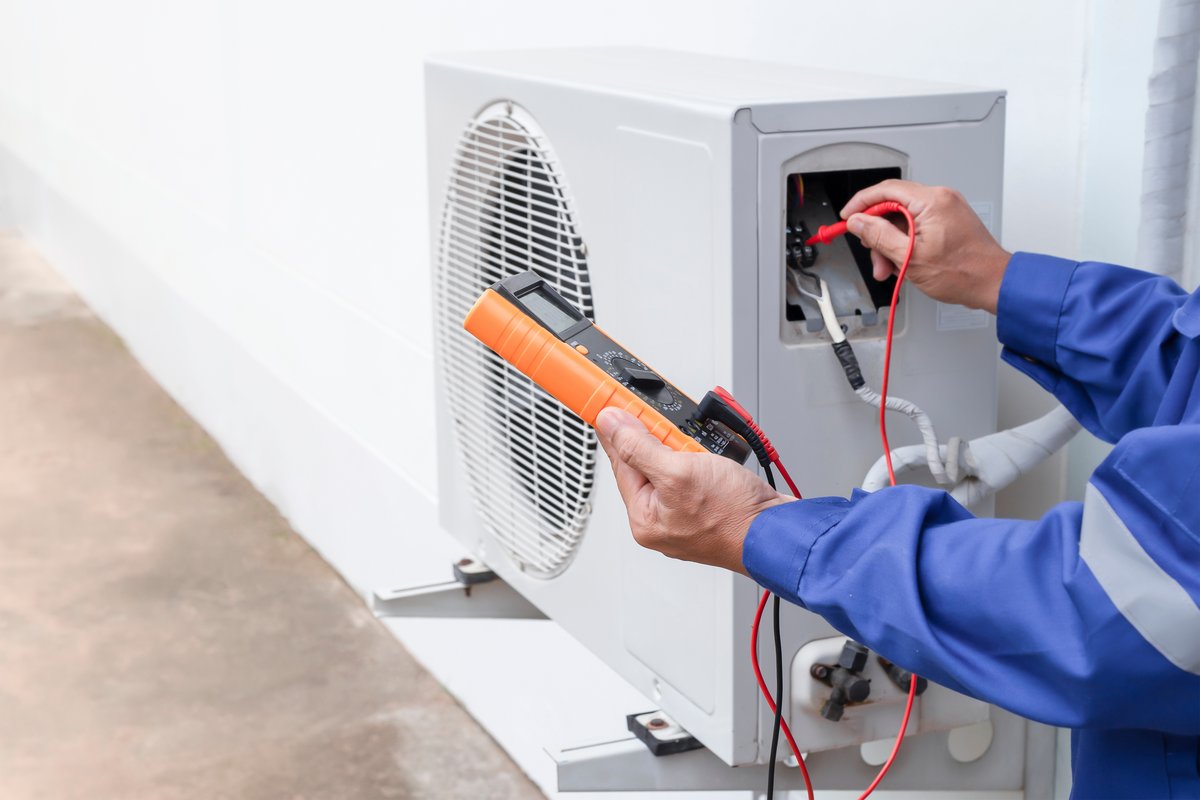
- Testing electrical connections and components for safety and function
- Cleaning or replacing air filters
- Clearing the condensate drain line to prevent water buildup
- Testing thermostat calibration and system cycling
- Lubricating moving parts to reduce wear and noise
This comprehensive approach addresses the full system rather than just checking whether the unit turns on, catching potential issues before they affect performance.
Signs You Need AC Repair, Not Just Maintenance
While routine maintenance addresses gradual wear, certain signs indicate it’s time for repair rather than a standard tune-up:
- The system isn’t cooling effectively despite recent maintenance
- You notice a sudden change in performance rather than gradual decline
- Unusual noises or smells are coming from the unit
- The system is cycling on and off more frequently than normal
- You see visible ice buildup on the unit or refrigerant lines
- Energy bills have spiked noticeably without another clear cause
If you’re experiencing any of these issues, it’s worth scheduling a repair visit promptly rather than waiting, since many AC problems worsen the longer they go unaddressed.
What to Expect During an AC Repair Visit
1. Initial Diagnosis A technician evaluates the system, asks about the symptoms you’ve noticed, and uses diagnostic tools to identify the underlying cause.
2. Clear Explanation Once the issue is identified, you’ll receive a straightforward explanation of the problem and the recommended repair, along with transparent pricing before any work begins.
3. Repair The technician completes the necessary repair, whether that’s replacing a component, addressing a refrigerant issue, or repairing electrical connections.
4. System Testing After the repair, the system is tested to confirm it’s functioning properly and cooling effectively.
5. Maintenance Recommendations Many technicians will also flag any additional maintenance needs observed during the visit, helping you stay ahead of future issues.
How Often Should You Schedule AC Maintenance?
Most HVAC professionals recommend scheduling AC maintenance at least once a year, ideally in the spring before the cooling season begins. This timing allows any issues from the winter months to be caught and addressed before your system faces the heaviest demand of summer. Homes with older systems, or those in particularly hot climates, may benefit from more frequent check-ins to keep the system running at its best.
How to Choose the Right HVAC Company
Not every HVAC company brings the same level of expertise and reliability to AC repair and maintenance. When choosing a provider, consider the following:
- Certified Technicians — Look for a company with experienced, certified professionals who understand a range of AC systems and brands.
- Transparent Pricing — A trustworthy company provides upfront pricing with no hidden fees before work begins.
- Reliable Response Times — Since AC problems often happen unexpectedly, fast, dependable scheduling matters, especially during peak season.
- Comprehensive Service — A company that handles maintenance, repair, and installation offers continuity of care for your system over time.
- Strong Reputation — Positive reviews and a track record of quality work provide added confidence in the service you’ll receive.
Frequently Asked Questions
How much does AC repair typically cost? Cost varies depending on the issue, ranging from minor fixes like a clogged drain line to more involved repairs like refrigerant leaks or compressor issues. A technician can provide an accurate estimate after diagnosing the problem.
Can I perform AC maintenance myself? Homeowners can handle basic tasks like regularly changing air filters, but comprehensive maintenance involving refrigerant levels, electrical components, and internal cleaning should be handled by a certified professional.
Why does my AC blow warm air sometimes? This can result from several issues, including low refrigerant, a failing compressor, or airflow problems. A professional diagnosis is the best way to pinpoint the exact cause.
Is it normal for my AC to make some noise? A quiet hum during operation is normal, but grinding, squealing, or banging sounds indicate a mechanical issue that should be evaluated promptly.
How long does a typical AC unit last? With regular maintenance, most AC units last 10 to 15 years, though this can vary based on usage, climate, and how consistently the system has been maintained.
Should I schedule maintenance even if my AC seems to be working fine? Yes. Many issues develop gradually and aren’t noticeable until they become significant problems. Routine maintenance catches these early, helping avoid unexpected breakdowns.
Final Thoughts
AC repair and maintenance play a critical role in keeping your home comfortable, your energy bills manageable, and your system running reliably for years to come. Understanding common AC problems, recognizing the signs that call for professional attention, and committing to regular maintenance helps homeowners avoid the stress of an unexpected breakdown during the hottest days of the year.
Whether your system needs a routine tune-up or you’re dealing with a specific issue right now, Island Breeze Mechanical Service INC is ready to help keep your home cool and comfortable all season long.