
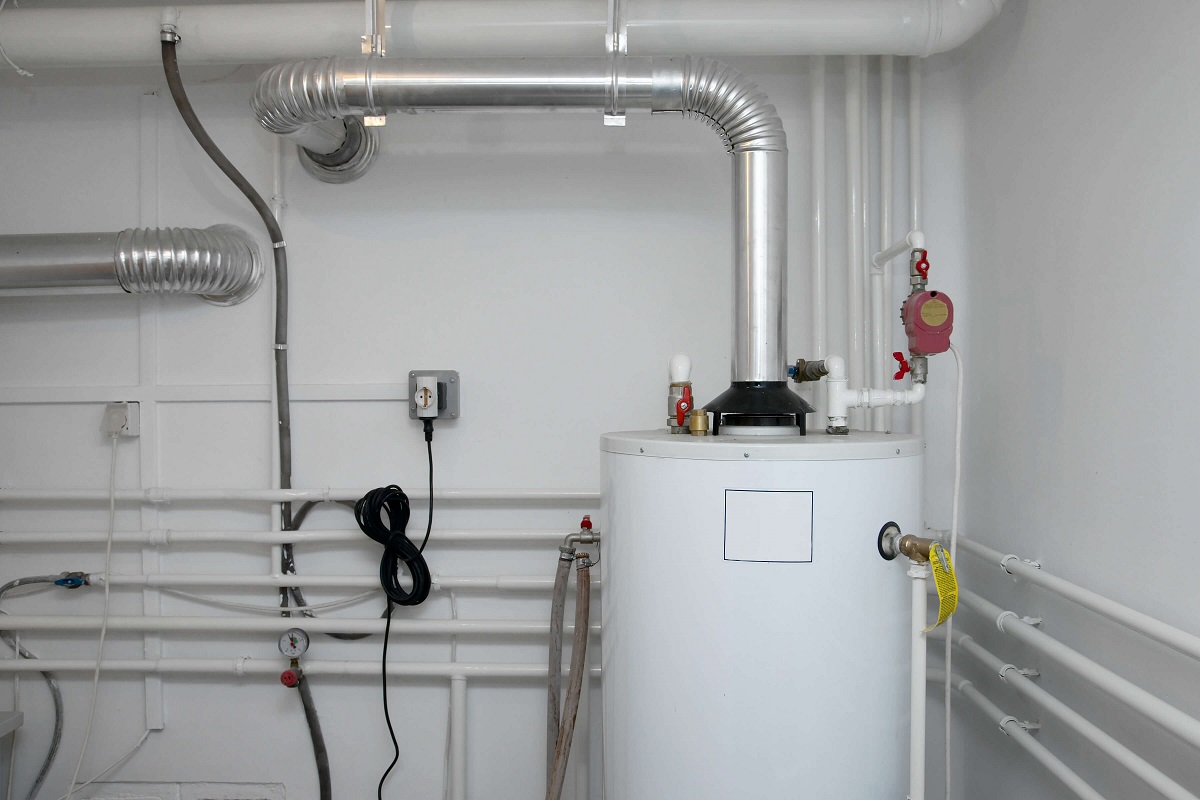
A cold shower halfway through a hot one has a way of making homeowners suddenly very interested in how their water heater actually works. Whether an old tank is finally giving out or you’re weighing options for a renovation, choosing the right water heater — and getting it installed correctly — affects everything from monthly utility bills to whether the whole household can shower back-to-back without running out of hot water. Island Breeze Mechanical Service INC provides water heater installation for homeowners throughout Brooklyn and the surrounding area, and this guide breaks down what to know before choosing a system.
Signs Your Water Heater Needs Replacing
Age of the Unit
Most tank water heaters last 8 to 12 years. If yours is approaching or past that range, replacement is often more cost-effective than continuing to repair it, especially once components start failing one after another.
Rusty or Discolored Hot Water
Rust-colored water from the hot tap, particularly if it doesn’t clear after running for a minute, often points to internal tank corrosion. Once a tank starts rusting from the inside, a leak usually isn’t far behind.
Inconsistent or Insufficient Hot Water
A unit that used to keep up with the household but now runs out quickly, or heats inconsistently, is often losing capacity due to sediment buildup or a failing heating element.
Unusual Noises
Popping, rumbling, or knocking sounds during heating usually point to sediment that has built up and hardened at the bottom of the tank, which reduces efficiency and strains the unit.
Visible Leaks
Moisture or standing water around the base of the tank is one of the clearest signs a unit is failing structurally and needs replacement before it leaks more seriously.
Rising Energy Bills
As water heaters age, they lose efficiency. A noticeable rise in energy bills, without another clear explanation, often points to an aging unit working harder than it should.
Tank vs. Tankless: How to Choose
Tank Water Heaters
Tank water heaters store a set volume of hot water, ready to use on demand. They’re typically less expensive to purchase and install, familiar to most homeowners, and straightforward to size for a household’s needs. The tradeoff is that a large household can run out of hot water during high-demand periods, like back-to-back showers or running the dishwasher and a shower at the same time, and standby heat loss from keeping a full tank hot around the clock adds to ongoing energy costs.
Tankless Water Heaters
Tankless systems heat water on demand rather than storing it, which means an essentially endless hot water supply and no standby energy loss from keeping a tank heated when it isn’t in use. They typically cost more upfront and sometimes require upgrades to gas lines, venting, or electrical capacity depending on the model, but many households recoup some of that cost over time through lower energy bills — and for tighter Brooklyn properties, tankless units also free up valuable utility closet or basement space since they’re wall-mounted rather than floor-standing.
Which Makes Sense for Your Home?
Larger households with high simultaneous hot water demand often benefit most from tankless systems, while smaller households or those prioritizing lower upfront cost may find a tank system perfectly adequate. Available space, existing gas or electrical infrastructure, and budget all factor into the right choice — something worth discussing directly with a technician rather than deciding based on general advice alone.
The Water Heater Installation Process
- Assessment and Recommendation — A technician evaluates your existing setup, discusses household hot water usage, and recommends the right size and type of unit for your home.
- Transparent Estimate — Before work begins, you receive a clear breakdown of the cost, including the unit, labor, and any additional work needed to bring the installation up to current code.
- Removal of the Old Unit — The existing water heater is safely drained and removed, with proper disposal handled as part of the service.
- Installation of the New Unit — This includes connecting water lines, gas or electrical connections, and venting where applicable, completed to code.
- Testing and Walkthrough — The new unit is tested for proper operation, and the technician reviews basic maintenance and any warranty information with you.
What Affects the Cost of Water Heater Installation
- Tank vs. tankless — Tankless units typically cost more upfront, including potential gas line or venting upgrades, though pricing varies by model and household needs.
- Unit size and capacity — Larger tank capacity or higher-output tankless units cost more than smaller, standard-capacity models.
- Fuel type — Gas, electric, and hybrid units have different installation requirements and price points.
- Existing infrastructure — If gas lines, venting, or electrical capacity need upgrading to support the new unit, this adds to the overall cost.
- Permitting — Water heater installations typically require a permit, which a licensed installer handles as part of the process.
How to Extend the Life of a New Water Heater
- Flush the tank annually to clear sediment before it builds up and hardens.
- Check the anode rod periodically, since this component corrodes to protect the tank and needs replacement once worn down.
- Set the temperature appropriately — around 120°F balances safety, efficiency, and comfort for most households.
- Watch for early warning signs, like unusual noises or inconsistent temperature, and address them before they become bigger problems.
Frequently Asked Questions
How much does water heater installation typically cost? Cost depends on tank size, fuel type, and whether it’s a tank or tankless system, along with any additional work needed for code compliance. A technician can provide an accurate estimate after assessing your home.
Is a tankless water heater worth the extra upfront cost? It depends on household size and hot water usage patterns. Larger households with high simultaneous demand tend to see the most benefit, while smaller households may not recoup the higher upfront cost as quickly.
How long does water heater installation take? Most standard tank replacements are completed in a single day. Tankless installations can take longer if gas line or venting modifications are needed.
Can I install a water heater myself? Water heater installation involves gas, electrical, or venting work that requires a licensed technician to meet local code and safety requirements. DIY installation creates real safety risks and can void manufacturer warranties.
What size water heater does my home need? Sizing depends on household size and peak hot water usage. A technician calculates the right capacity for your specific household rather than defaulting to a standard size.
Schedule Your Water Heater Installation
Whether you’re deciding between tank and tankless or ready to replace an aging unit, Island Breeze Mechanical Service INC provides expert water heater installation throughout Brooklyn, Manhattan, Queens, and the surrounding New York and New Jersey area. Call (347) 529-8176 or request a free quote online.